Sunday, June 26, 2011

To Clip or Not to Clip?

To be honest, I don't know whether dogs like being clipped for summer. As I have many times noticed and many dog owners assert, some dogs seem to prance and smile with a new clip. Is this our imagination, or might it just be that the dog is relieved to be done with a long and boring grooming session and happy to be free?

Aside from dog preference, does it make sense? One argument goes that a dog's coat provides insulation against heat as well as cold and therefore should be left alone, but many, many dog owners observe that whatever the logic behind the clipping decision, their dogs appear more comfortable with a shorter clip.

At Aussie Pet Mobile Cape Cod, we think the decision to clip or not to clip should be made based on the behavior of the dog. If you are wondering what to do, ask yourself the following questions:

1. Does your dog have extensive "undercoat" ( a thick, downy layer close to the skin that tends to shed in hot weather and grow thicker in cold)?

2. Is shedding extreme in spring?

3. Is your dog a "cold weather" breed like a Husky?

4. Does your dog pant and seek a cool place to sleep by digging a hole in the shade when the weather turns warm?

If any or all of these are true for you, we recommend you try a summer clip and compare your dog's behavior before and after. Aside from smiles and prances, does your dog pant less, and seem more willing to play on a hot summer day? Even if the dog doesn't appear to care much one way or the other, a summer clip can make a big difference for you and your housekeeping by reducing the amount of hair in your home and the sand or mud that your dog tracks in from the beach and yard.

A summer clip can range anywhere in length from peach fuzz to 3/4". We usually advise about 1/2", although on dogs with massive amounts of undercoat, a shorter end of the spectrum produces a smoother, more attractive finish. The clip can take the form of a "lion cut" with a longer mane, natural legs and a flag or ball on the end of the tail (see Aslan's photo at the head of this post) or same length all over.

We are booking for grooms and clips the week of July 4th. Call us if you'd like to see what a summer fashion could do for you and your dog.




Saturday, June 18, 2011

3 Ways to Celebrate Fathers

It's probably too late to buy a pet-themed t-shirt or tie for the father(s) in your life, and you didn't need to spend the money anyway. Alternatively, here are three (nearly free) ideas to celebrate the day:

1. Go for a walk:
Do you know a father who would like to spend more relaxing social time with you? Probably. Why not collect a father or two and walk dogs together? Or take a dog fancier on a trip to your local dog park to watch the mutts cavort. It's a nice way to spend a spring evening.

2. Make a cake:
Don't be scared. All you need is some store bought cupcakes and frosting. There are numerous specialized pans and recipies with dog and cat themes, but the easiest and most fun project might be to simply decorate with store bought ingredients. The picture above shows how you can take two cupcakes and frost generously to create a cute dog themed dessert only limited by your imagination and decorating skills.

3. Volunteer:
Join up or volunteer in honor of a favorite father. Your local animal shelter needs your help or you could clean a beach or trail. Or somebody's back yard or attic for that matter.

No matter which you choose, you'll find time to chat and probably chuckle. What better gift can you give?

Oh, and celebrating fatherhood doesn't mean you need to have a bunch of intact males running around. Please spay/neuter your pets and help keep an over supply of animals out of the shelters.

Sunday, June 12, 2011

The Scoop about Poop

Isn't pet waste "natural"? Wild animals leave their scat in the woods, why not pets?

The bottom line is that there are a lot of pets, and while they are not the major contributor to water pollution, studies show that the combined impact of all pets and wildlife poses a health threat to swimmers, other dogs and beaches, and can cause beach and shellfish bed closures.

The Massachusetts Department of Public Health puts out a brochure that explains the risks of pet waste to water pollution on our beaches and sets forth guidelines for pet owners that make a lot of sense. Some highlights:

The Problem:

When animal waste ends up in the
water it decomposes, using up
oxygen. During summer months, low
dissolved oxygen levels harm fish and
other aquatic life.

Beaches and shellfish beds may be
closed, if evidence that diseas-ecausing
bacteria and viruses might be
present is found on routine water
testing. Pet waste can be a cause of
test results that close beaches and
shellfish beds.

The majority of water pollution comes
from small sources – especially at the
household level.

Many towns have “pooper scooper”
ordinances that require pet owners to
pick up and remove fecal matter from
public property. Fines can be
imposed on those caught violating
these laws.

Health Risks:

Pet waste can contain bacteria and
parasites, causing infections such as the
following:

Campylobacteriosis: A bacterial
infection that causes diarrhea in humans.

Giardiasis: A protozoan infection of the
small intestine that can cause diarrhea,
cramping, fatigue, and weight loss.

Salmonellosis: Symptoms include fever,
muscle aches, headache, vomiting, and
diarrhea.

Toxocariasis: An animal to human
infection that is caused by roundworms
found in the intestines of dogs. The
parasite can cause vision loss, rash,
fever or cough, and is a particular threat
to children exposed to parasite eggs in
sand and soil.

What You Can Do:

Always carry a plastic bag to pick up
your pet’s waste.

Do not throw pet waste near a storm
drain; use a trash can. Pet waste can
also be flushed down a toilet, but
please don’t flush the bag.

Make sure to dispose of pet waste in
a sealed bag so it doesn’t spill during
trash collection.

Do not flush pet or wildlife waste from
your deck or dock into the water.

Obey local leash laws and seasonal
bans at beaches.

Aussie Pet Mobile Cape Cod cleans Cape Cod by picking up trash and pet waste in addition to bathing and clipping our pets. Join us in keeping our fragile Cape Cod environment clean and green.

Sunday, June 5, 2011

Kitty Spa

Ever wondered how to groom a cat?

Meet Bentley. He's a handsome longish haired boy who we groomed recently and gave a lion clip to reduce the amount of hair in his house. Bentley is sitting in the tub after his bath, wearing an e-collar, like the ones your vet uses to keep your pets from scratching or biting stitches when they're healing or a hot spot. We use the e-collar to prevent being bitten by a cat who loses her temper. It's less annoying for the cat than a muzzle. Bentley didn't mind being bathed at all and sat calmly in the hydrobath. Many cats take being bathed, groomed and clipped in stride, particularly if they have been regularly groomed since their kitten year.

The first thing we do is clip nails and clean ears and eyes and do any required clipping. Matted cats need to be clipped very short - what we call a "buzz cut" - in order to get under the mats where they form close to the skin. Contrary to what you might think, a cat with a buzz cut has the softest and cleanest coat you could imagine, like a fine Persian carpet. A long or short "mane" can be left to give the lion look, and the tail can be left full or with a flag or ball at the end. Cats that aren't matted can be clipped to a half or three-quarter inch clip, which reduces hair both inside and outside the cat but looks more natural.

Most cats don't like to be immersed in water, so our hydrobath is preferable. We have warm water pumped through a spray head that we use to massage away dirt, dander and hair. A kitty bath usually takes fewer than 5 or 10 minutes, then on to the grooming table.

Most cats don't need to be restrained on the table. Usually they tuck their feet underneath themselves and lie quietly on the table to be dried and brushed. If a cat loses her temper and won't sit still, we have a soft harness that gently circles the cat's chest and neck that will prevent them from leaping off the table.

It's true that cat grooming requires special skills in handling the cat and preventing injury to their delicate skin, but it's not as stressful for most cats as you would expect and can be critical to their health and comfort.

If you have a cat that has trouble grooming itself, is experiencing hair balls, is matted, or is simply overwhelming you with hair production, give us a call.

Sunday, May 29, 2011

Spring Cleaning

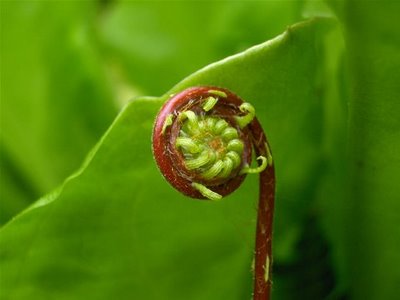
We Clean Cape Cod is taking the weekend off from blogging to clean its house but we have an update on fiddle head ferns. They're in the market! Last night we had a delicious pasta salad with these seasonal treats, prepared as below:


Wash fiddleheads and quickly saute in the water clinging to the coils, adding 1 t olive oil when the water has evaporated. Continue to saute in the oil, adding 1 T chopped garlic and the juice of 1 lemon, for 3 - 5 minutes. When fiddleheads are tender, add to a warm bowl of cooked pasta along with a can of kidney beans, some matchsticks of red bell pepper, and a handfull of fresh flat leaf parsley and tarragon leaves. Toss with any vinegrette and celebrate spring!

Sunday, May 22, 2011

Ticked Off!

It's tick season, which you already know if you have a dog or cat. Heck, you really don't even need a pet; I found a tick crawling across our sofa this week, just hiking along it seemed. I'm taking numerous ticks off the dogs I groom and I'm finding dead ticks regularly around the house where they've latched on to Grigri but fallen off after been killed by the tick preventive we use. Everyone I've talked to is having the same experience and we're ticked off!

A few suggestions for keeping your pets healthy during this trying season:

Dangers: Ticks carry some nasty diseases, even in New England. Both you and your dog or cat can be infected. Lyme's disease is the most well-known, but the entrancingly named Rocky Mountain Spotted Fever and other conditions are also serious and can be fatal to a pet.

Tick Removal: Growing up on Cape Cod we picked a millions ticks off our dogs - this was long before the advent of tick prevention remedies (see below) - and there were several local strategies for getting the whole tick out. My family advocated using the tip of a burnt, but still hot, match to make the tick back out voluntarily. Others use petroleum jelly or nail polish to suffocate the tick. Research has shown that it's very difficult to get a tick to voluntarily "back out" and no folk method for doing so is effective; in fact, the longer the tick is left on the skin the higher the risk of infection so waiting for the tick to decide what to do is counter-productive. Quick removal should be your priority. Acarologists (people who study mites and ticks) recommend using a tool such as hemostats, high quality tweezers or any of several commercial tick removal tools to grasp and gently pull the tick away from the body. These tools are effective at grasping the ticks and also keep your hands free of tick saliva, which can infect you as well. An
analysis of several tools appears on the University of Ohio's web site. Whichever approach you use, inspect and remove ticks daily.

Tick Disposal: I was talking to my neighbor about the tick invasion yesterday and we got to talking about how to dispose of them once you get them off. In my family we favored flushing them down the toilet but I would feel guilty about using all that water now so I wrap them up in a tissue and squish them before throwing in the trash. My neighbor had a method I'd never heard of, which is to throw them into a bowl of water with a little dish detergent. The detergent acts as a surfactant and breaks down the surface tension in the bowl of water, allowing the ticks to sink and drown. Sounds neat and tidy but I don't know if it works.

Tick Prevention: Where we live on the Cape is prime tick territory. Surrounded by woods, brush and long grasses, we find it difficult to avoid them. Theoretically, if you stayed strictly on the paths and roads you could stay tick free because ticks cannot jump. They wait on grasses and shrubs and latch onto passersby as they brush past. The only sure fire method to keep your pets tick free is to use a specially formulated topical preventive such as Frontline or Advantix.

Aussie Pet Mobile has these products on board so be sure to ask your groomer if your fluffy friend needs his or her monthly application. We can take care of it for you at the end of a groom.

Sunday, May 15, 2011

Trash Talk

We're becoming quite the connoisseurs of trash collection. I found the pictured beach buggy in a "free" pile by the side of the road and Jan came up with the idea of re-using heavy duty garbage bags in it. This shot is of Grigri and me setting off to clean Craigville Beach Road between Magnolia and Greeley. We don't usually take on cleaning the main roads but focus on the beaches and trails - there's just too much trash for us to carry - but this is our neighborhood and we wanted to give it a spring cleaning so between the rain drops we did the best we could on this mild spring afternoon.

As we worked I was reminded of our last dog, Queenie, who was a terrible trash dog and suffered from pancreatitis more than once after getting into a trash can. Although dogs seem miraculously able to ingest almost anything, in reality there are a lot of agents that can cause illness and death. Be careful what you discard, especially if your baby likes to investigate the garbage, and check out the ASPCA's list of 2010's Top 10 toxic substances that generated calls to their poison center:

Human Medications: Poisonings by our human meds topped the ASPCA's list, with over the counter pain remedies playing a major role. Don't give your dog any human pain pill without checking with your vet and if you drop a pill on the ground, make sure you find it before your dog does. Ibuprofen (Motrin) and acetaminophen (Tylenol) are both toxic to dogs.

Insecticides: These are ubiquitous around our homes so always be careful. One common problem is using flea control products on cats that are not safe for them. Check labels and make sure the product you're using is safe for kitties.

Mice/Rat Baits: This are highly attractive to cats and dogs. Even if you place them where your beloved pets can't reach them, the mice and rats can carry partly eaten bait into accessible areas. Make sure you keep bait and pets apart.

People Food: Did you know grapes, raisins, onions and garlic can make pets sick if enough is ingested? This doesn't mean that a bite of spaghetti sauce with a few onions in it is going to kill Fifi, but I can certainly visualize situations in which Queenie could have made herself sick getting into these foods if left unguarded.

Vet Meds: These are often made to taste good, so if your furry friend gets access he or she may eat more than one dose. Keep these items out of reach and contact your vet in a hurry if Fido eats the whole bottle.

Chocolate: I never used to believe that chocolate was toxic to dogs because my parents used to feed it to our poodles regularly, but this risk has been documented extensively, so beware. The darker the chocolate the more Methylxanthines it contains, which is the dangerous ingredient. Maybe my folks were just cheap and were handing out something with very little actual chocolate in it. Give your poodles a pet treat instead.

Household Toxins: Cleaners are perhaps an obvious risk, but also keep an eye on where your batteries and liquid potpourri are stored. What is liquid potpourri anyway? Doesn't sound like something I'd want around the house!

Plants: Both indoor and outdoor plants can be poisonous. Check the ASPCA's list of toxic plants out.

Herbicides: Apparently they taste salty. Who knew? Keep pets off treated areas until they are dry.

Other Outdoor Toxins: Antifreeze, ice melt products, fertilizers and many more products used around the house and garden are big trouble. Queenie would have eaten any of these and may not have lived to tell the tale.

Keep your trash secure and the poison control number handy - (888) 426-4435 (a $65 consultation fee can be paid by credit card) If you have litter in the car, by all means keep it away from Fluffy, but please don't throw it out the window either. We already have our hands full cleaning Cape Cod.